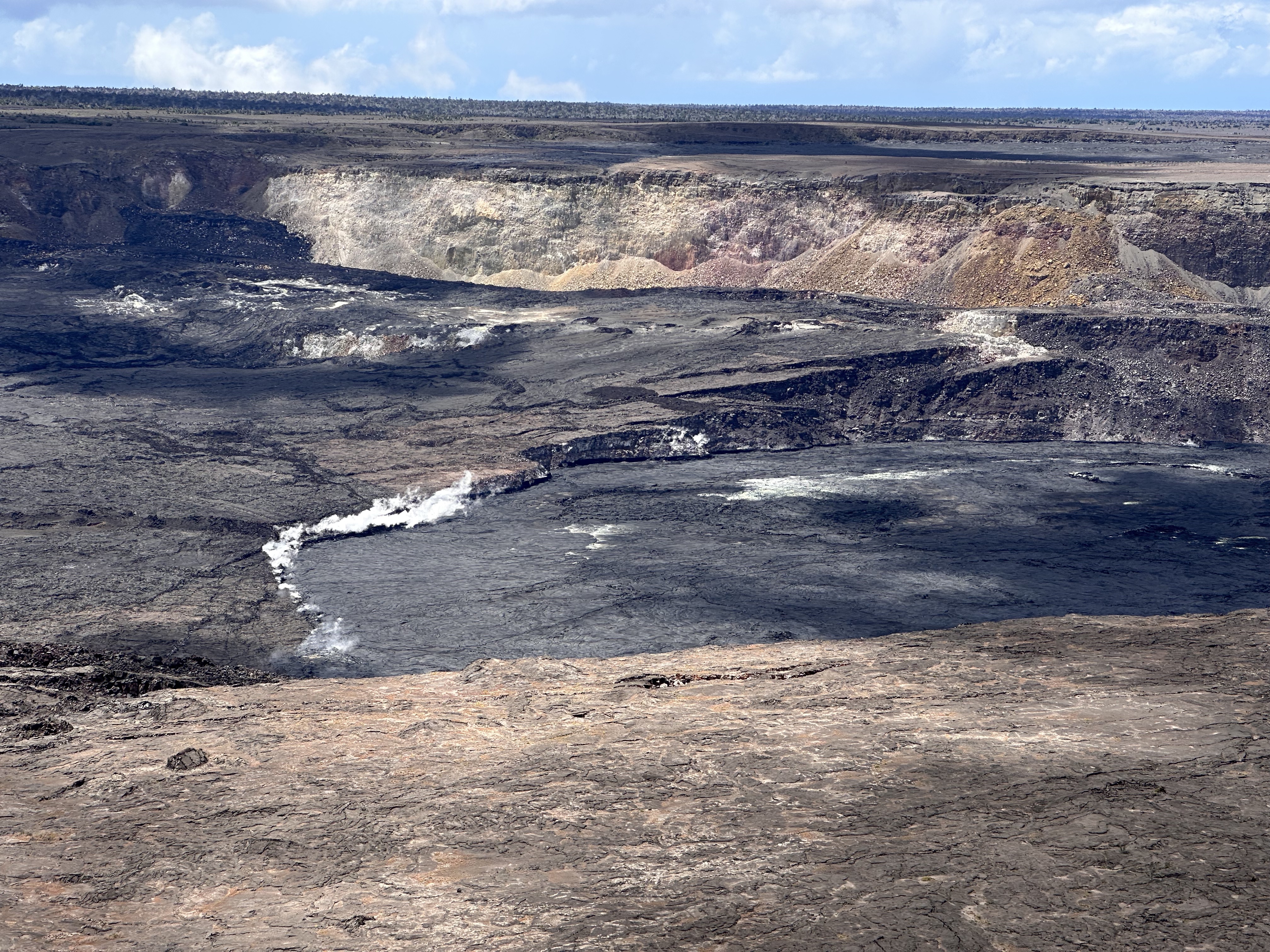
How much time do you need to see Hawaii Volcanoes National Park?
To fully experience the wonders of Hawaii Volcanoes National Park, it is recommended to allocate at least a day or two. This will allow you to explore its diverse landscape, witness the awe-inspiring volcanic activity, and immerse yourself in the park’s unique natural and cultural heritage. From traversing scenic trails amidst lava fields to observing active volcanic craters and ancient petroglyphs, the park offers an abundance of captivating sights and experiences. However, the amount of time you spend in the park ultimately depends on your personal interests and the level of depth you wish to explore.
Hiking in Volcanoes National Park
Here is a list of different hikes you can enjoy in Hawaii Volcanoes National Park:
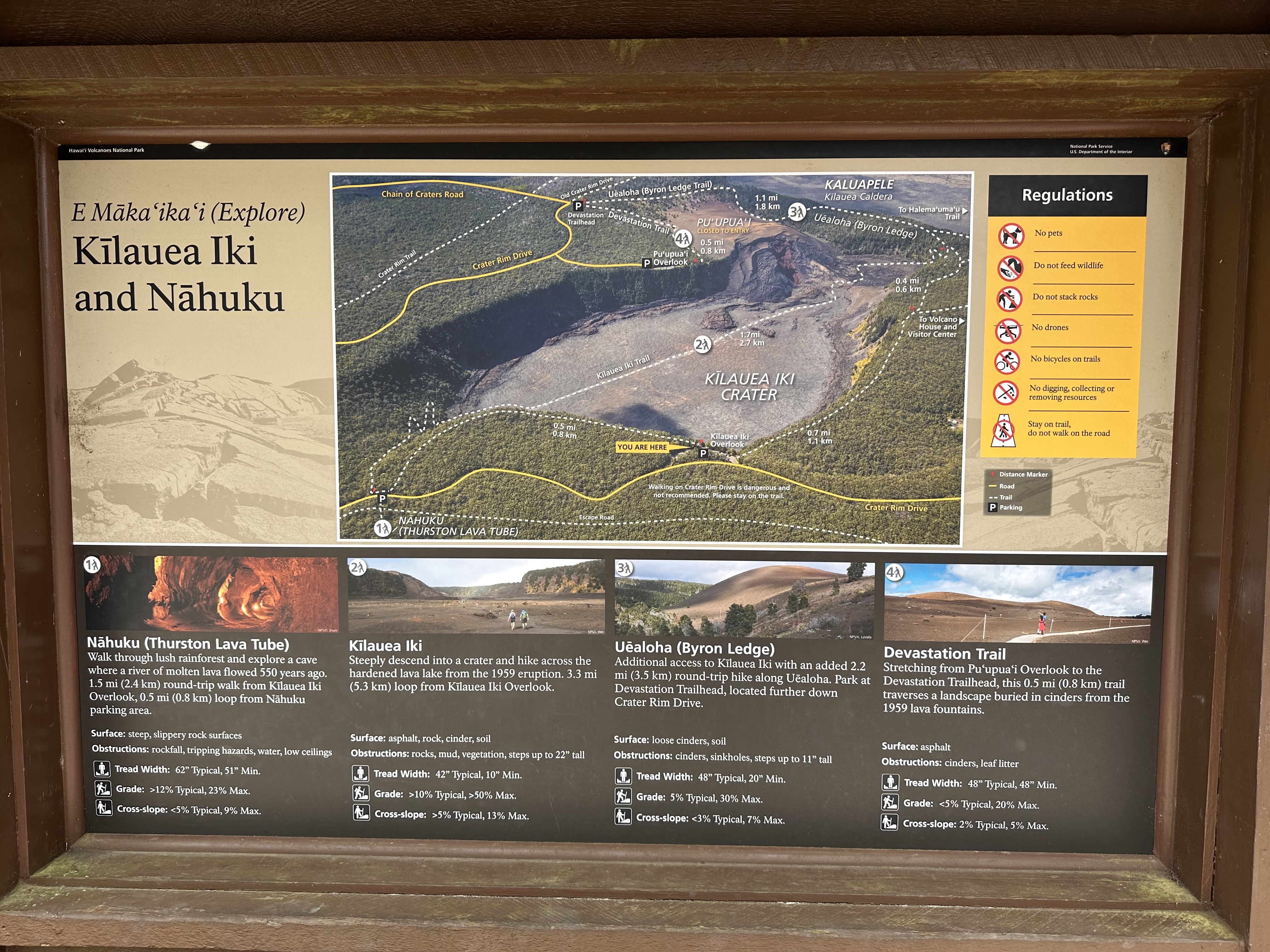
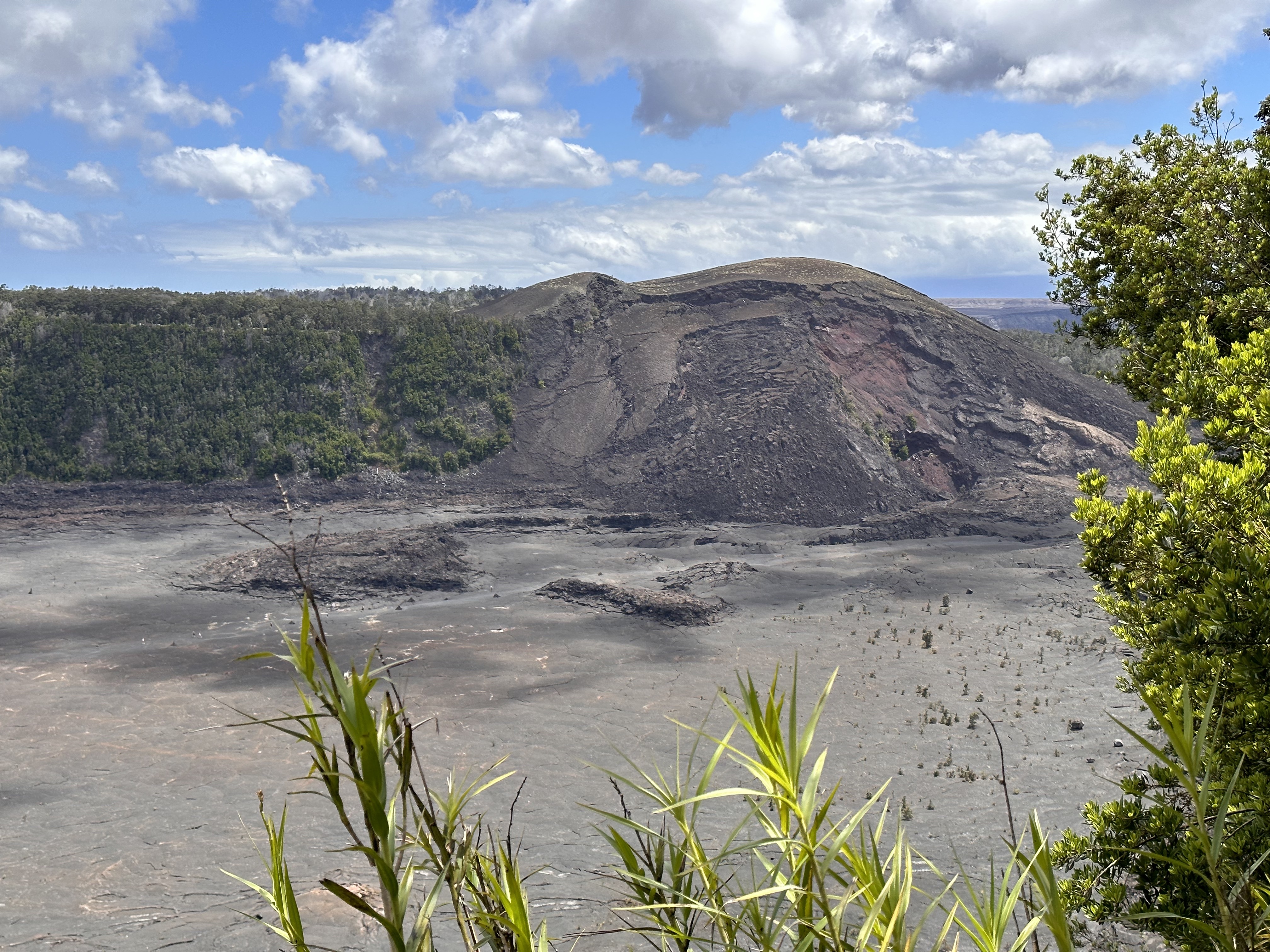
- Kilauea Iki Trail: This popular trail takes you through a rainforest and across the crater floor of the Kilauea Iki volcano. It offers stunning views of steam vents and the volcanic landscape.
- Crater Rim Trail: This trail encircles the summit caldera of the Kilauea volcano, providing panoramic views of the crater and the surrounding areas.
- Pu’u Loa Petroglyphs Trail: Take a hike to see ancient petroglyphs etched into lava rock, providing a glimpse into the rich cultural history of the Hawaiian people.
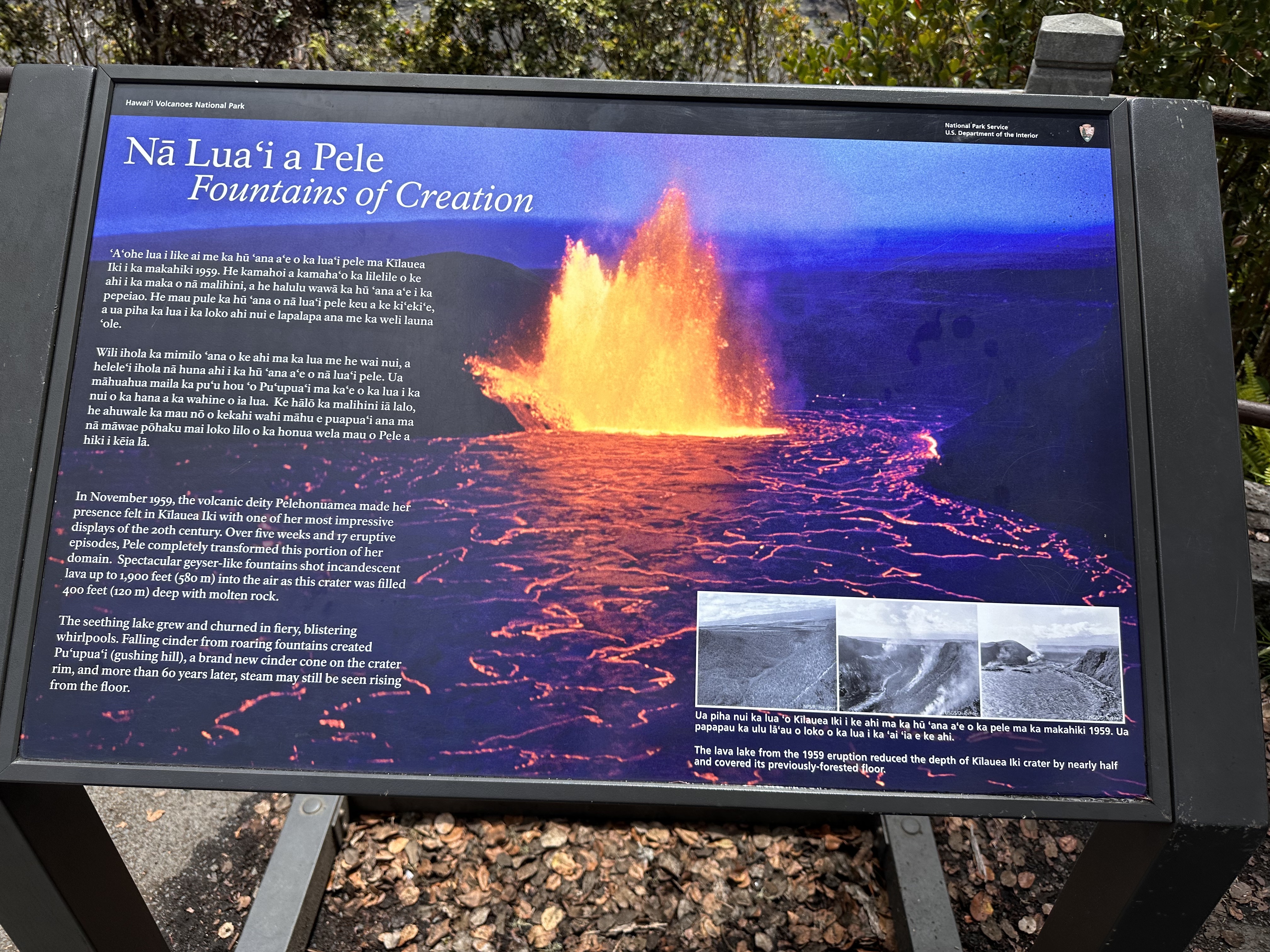
- Devastation Trail: This trail leads you through a stark landscape of volcanic devastation caused by a 1959 eruption. It offers a unique opportunity to witness the regrowth of plant life.
- Mauna Ulu Trail: This trail takes you through lava fields from past eruptions, showcasing the dynamic nature of the park. You’ll witness different stages of lava flows and experience the raw power of volcanic activity.
- Sulphur Banks Trail: Explore a unique geothermal area where you can see steam vents and vibrant sulfur deposits. This short and easy trail is perfect for a quick exploration.
- Escape Road Trail: This trail is a historic road that once served as an escape route during eruptions. It offers a leisurely walk through the forest and provides insights into the park’s volcanic history.
Remember to check with the park rangers for up-to-date information on trail conditions and closures. Enjoy your hikes in Hawaii Volcanoes National Park!
What to See in Hawaii Volcanoes National Park
When visiting Hawaii Volcanoes National Park, there are several must-see attractions that you should include in your itinerary:
- Kīlauea Caldera: Explore the vast and impressive Kīlauea Caldera, which stretches over two miles wide. Witness the power and beauty of an active volcanic crater.
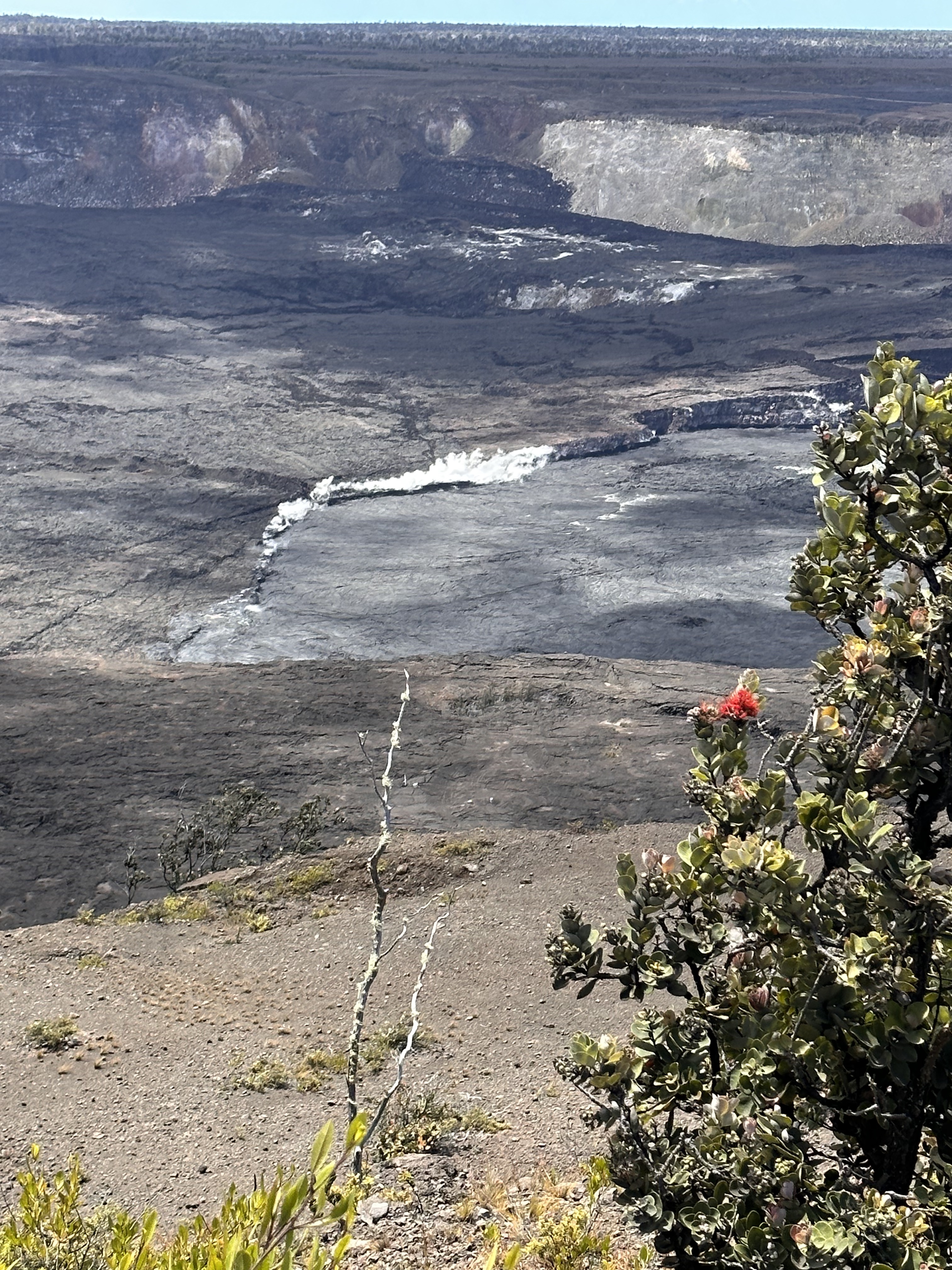
- Halemaʻumaʻu Crater: Located within Kīlauea Caldera, this crater is known for its stunning lava lake and glowing vents. It’s a mesmerizing sight, especially at night when the glow intensifies.
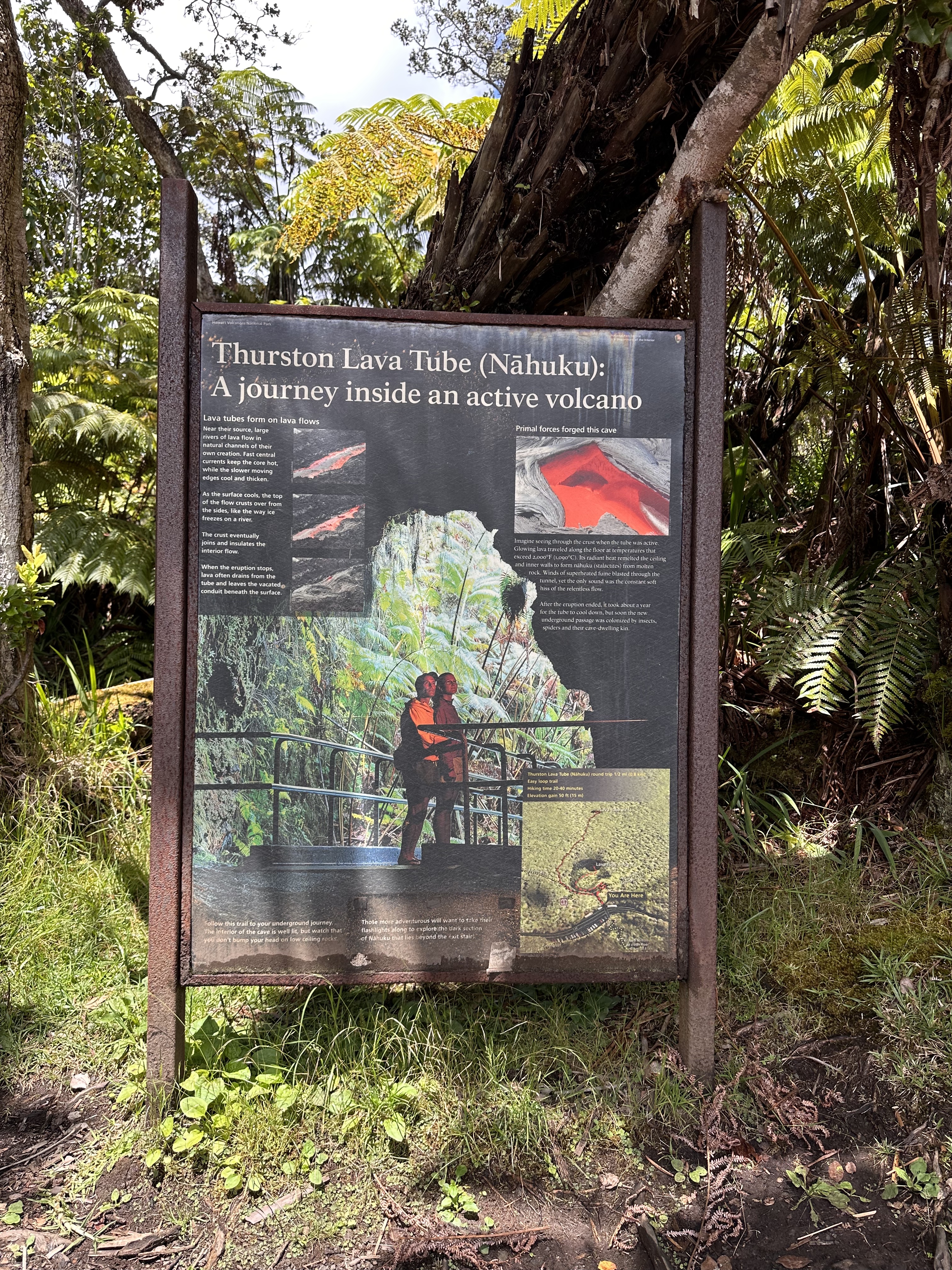
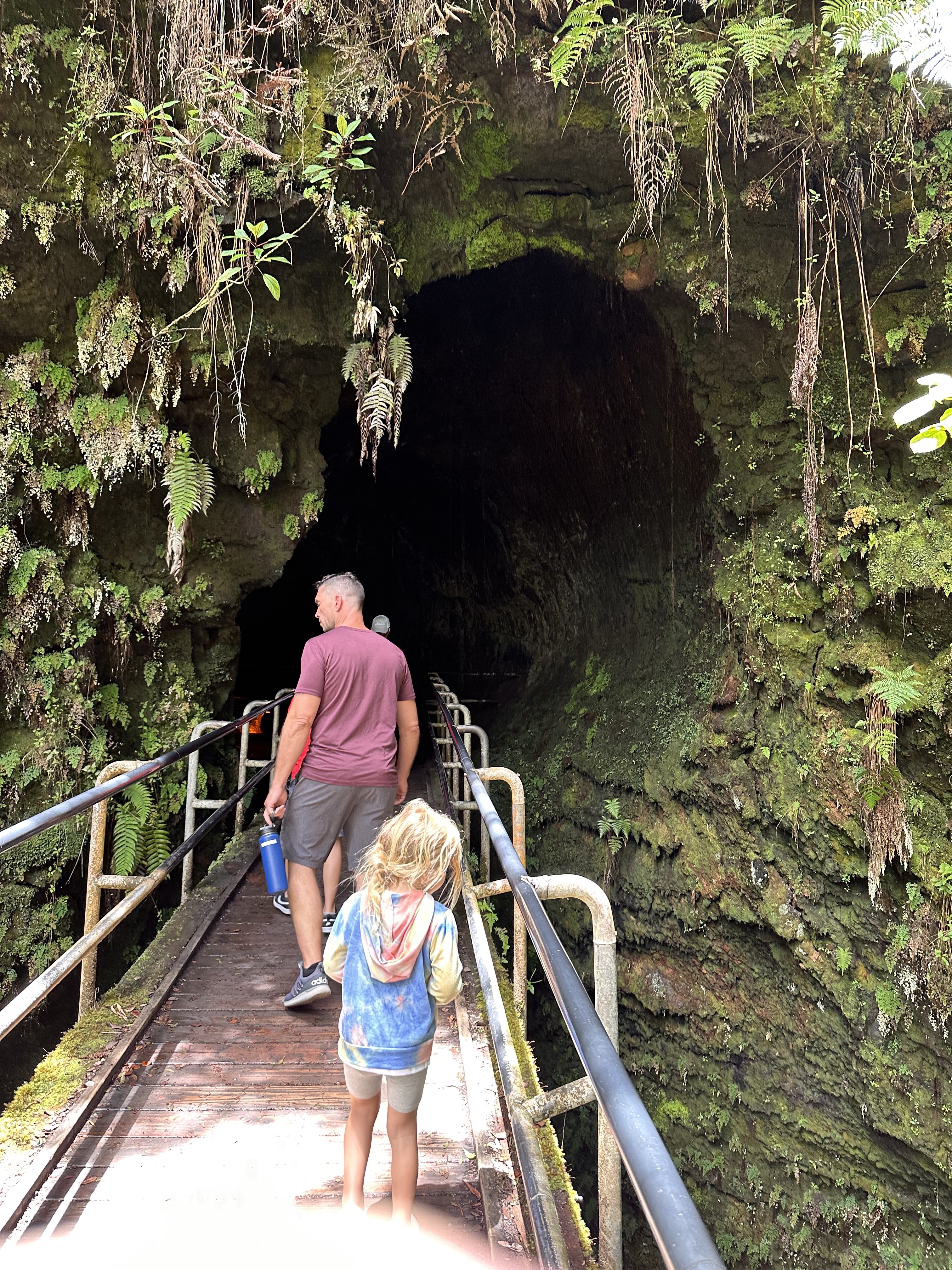
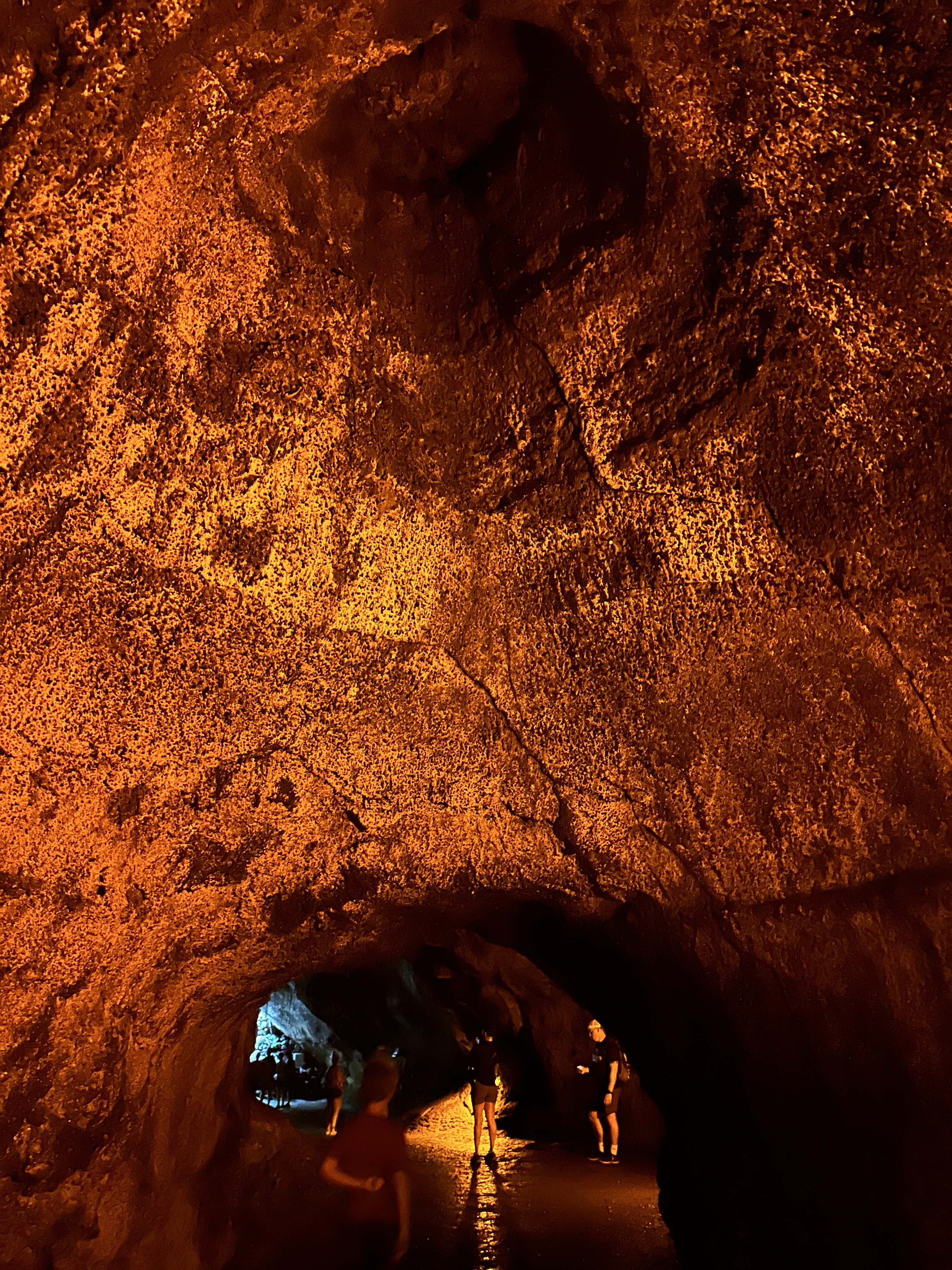
- Thurston Lava Tube: Take a walk through this unique lava tube formed by flowing lava. The trail leads you through a lush rainforest and into a fascinating underground tunnel.
- Chain of Craters Road: Drive along this scenic road and marvel at the various volcanic landscapes, including giant craters, lava fields, and coastal cliffs. Keep an eye out for the Holei Sea Arch, a natural rock formation.
- Jagger Museum: Learn about the history of volcanism in Hawaii at the Thomas A. Jaggar Museum. Explore exhibits on volcanic geology, monitoring, and the cultural significance of volcanoes.
- Steam Vents: Experience the power of the Earth’s heat at the steam vents located near the Kīlauea Visitor Center. Witness the billowing steam rising from underground lava tubes.
- Pu’u Loa Petroglyphs: Take a hike along the Pu’u Loa Petroglyphs Trail to see ancient rock carvings made by early Hawaiian settlers. These petroglyphs provide a glimpse into the rich cultural heritage of the area.
- Nāhuku (Thurston) Lava Tube: Wander through the dark and eerie lava tube, surrounded by lush vegetation and drips of moisture. This unique geological feature is a must-see.
- Coastal Lava Cliffs: Head to the coast and witness the dramatic cliffs formed by ancient lava flows meeting the crashing waves of the Pacific Ocean. The views are breathtaking.
- Devastation Trail: This trail offers a surreal experience as you walk through a landscape that was completely devastated during the 1959 Kīlauea Iki eruption. Witness the power of volcanic activity and the resilience of nature.
Remember, conditions in the park can change, so check with the park rangers for any closures or safety precautions before visiting these attractions. Enjoy your exploration of Hawaii Volcanoes National Park!
What to Bring on Your Trip to Hawaii Volcanoes National Park
When visiting Hawaii Volcanoes National Park, it’s essential to come prepared. Here’s a list of items to bring on your trip:
- Comfortable Walking Shoes: As you’ll be exploring the park on foot, make sure to wear comfortable, sturdy shoes that provide good traction.
- Weather-Appropriate Clothing: The weather in the park can vary, so pack layers to accommodate changing temperatures. Bring lightweight, breathable clothing for warm days and a jacket or sweater for cooler evenings.
- Sun Protection: Protect yourself from the sun’s rays by wearing sunscreen with a high SPF, a wide-brimmed hat, sunglasses, and lightweight, breathable clothing that covers your arms and legs.
- Insect Repellent: Insect repellent is recommended, especially if you plan on hiking or spending time in wooded areas where mosquitoes may be present.
- Water and Snacks: Stay hydrated by bringing plenty of water with you. Pack some snacks or energy bars to keep you fueled during your adventures.
- Backpack or Daypack: A lightweight backpack or daypack is handy for carrying your essentials, such as water, snacks, sunscreen, and extra layers of clothing.
- Camera: Capture the breathtaking scenery and unique volcanic features with a camera or smartphone. Don’t forget extra batteries or a portable charger.
- Binoculars: Binoculars can enhance your experience by allowing you to spot wildlife, birds, and distant volcanic activity more clearly.
- First Aid Kit: It’s always a good idea to have a basic first aid kit with you. Include items like band-aids, pain relievers, antiseptic wipes, and any necessary prescription medications.
- Trail Maps and Guidebooks: Obtain a map and guidebook from the visitor center or download them to your smartphone for reference during your visit.
- Cash or Credit Card: Bring some cash or a credit card for park fees, souvenirs, and any additional services or activities you may wish to partake in.
- Respectful Attitude and Stewardship: Lastly, bring a respectful attitude towards the park and its natural and cultural heritage. Practice Leave No Trace principles and be mindful of the environment.
Remember, it’s always a good idea to check with the park rangers for any specific recommendations or updates before your visit. Enjoy your trip to Hawaii Volcanoes National Park!
Parking and Entrance Fee to Hawaii Volcanoes National Park
Parking at Hawaii Volcanoes National Park is available for visitors at various locations throughout the park. There are designated parking areas near popular attractions and trailheads, allowing you easy access to explore the park’s wonders. It is important to follow all posted signage and park only in designated parking areas to ensure the safety of yourself and others.
As for the entrance fees, please note that the information provided here is based on current guidelines, but it’s always a good idea to check the official website or contact the park directly for the most up-to-date information. As of the time of writing, the entrance fees for Hawaii Volcanoes National Park are as follows:
- Private Vehicle: The entrance fee for a private vehicle is $30 and is valid for up to seven consecutive days. This fee allows entry for the occupants of the vehicle.
- Motorcycle: For those visiting the park on a motorcycle, the entrance fee is $25, also valid for up to seven consecutive days.
- Pedestrian/Bicyclist: Visitors entering the park on foot or by bicycle are charged $15 per person, also valid for up to seven consecutive days.
Please note that there may be additional fees for camping, special events, or certain activities within the park. These fees are subject to change, so it’s important to check with the park or visit their official website for the most current information.
Visiting Hawaii Volcanoes National Park is a worthwhile experience, and the entrance fees help support the maintenance, conservation, and preservation of this incredible natural and cultural treasure.
Visiting the Volcanoes with Kids
Visiting Hawaii Volcanoes National Park with kids can be an exciting and educational adventure for the whole family. The park offers a unique opportunity for children to witness the awe-inspiring power of nature and learn about volcanic activity in a safe and engaging environment. From exploring lava tubes to spotting steam vents and witnessing live volcanic craters, there are plenty of captivating experiences that will leave a lasting impression on young minds. The park also has informative exhibits and ranger-led programs specifically designed for children, offering interactive learning experiences about geology, wildlife, and Hawaiian culture. It’s an unforgettable journey that will inspire curiosity, appreciation for the natural world, and cherished family memories.
Photos of Hawaii Volcanoes National Park
Below are a few photos of my recent trip to the park in July, 2023. We are a family of four (kids ages 7 and 4). Both children loved the experience and everything was appropriate for their age range. Unfortunately, we went during a time when there was no red lava or red glow.

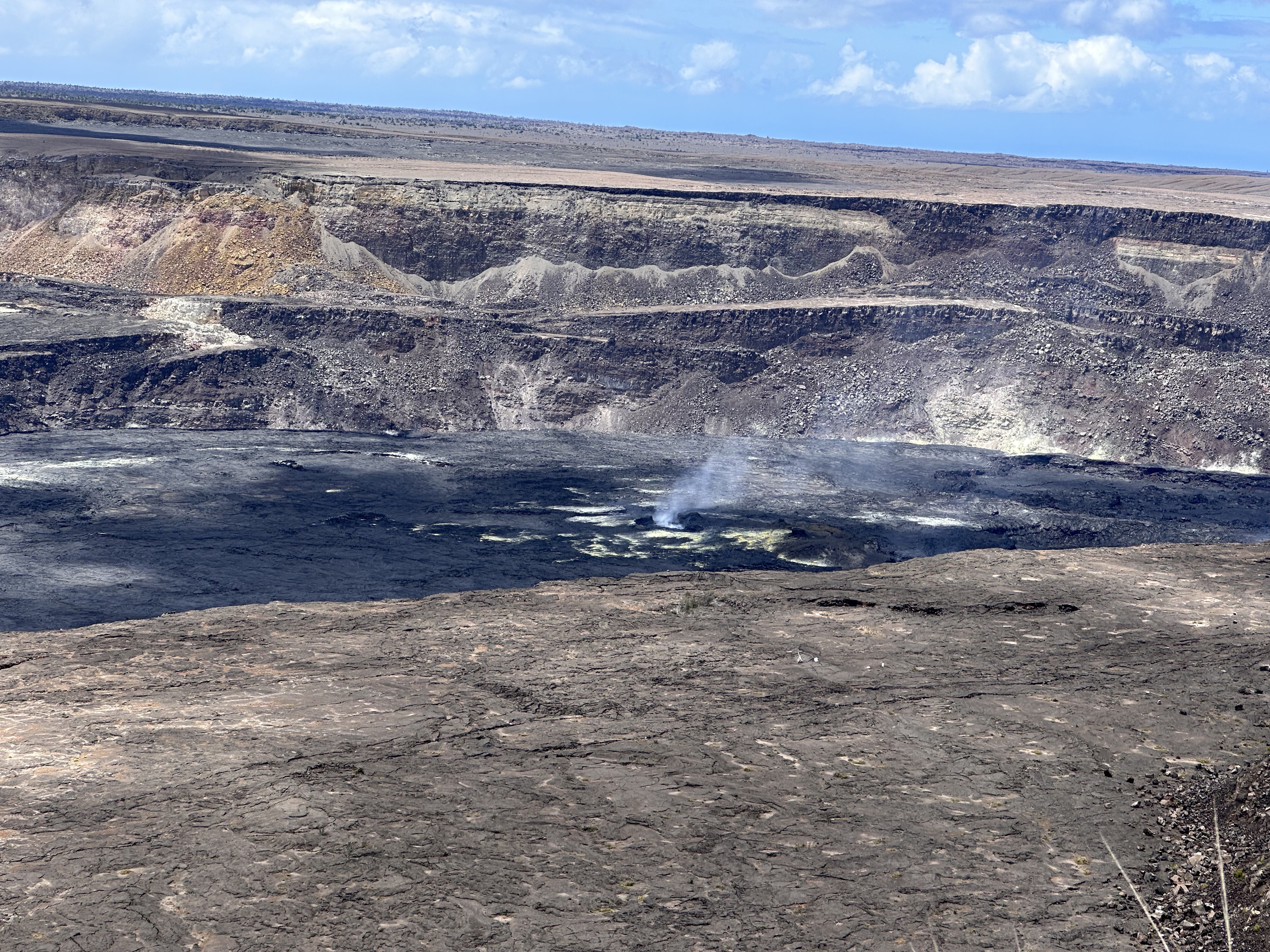
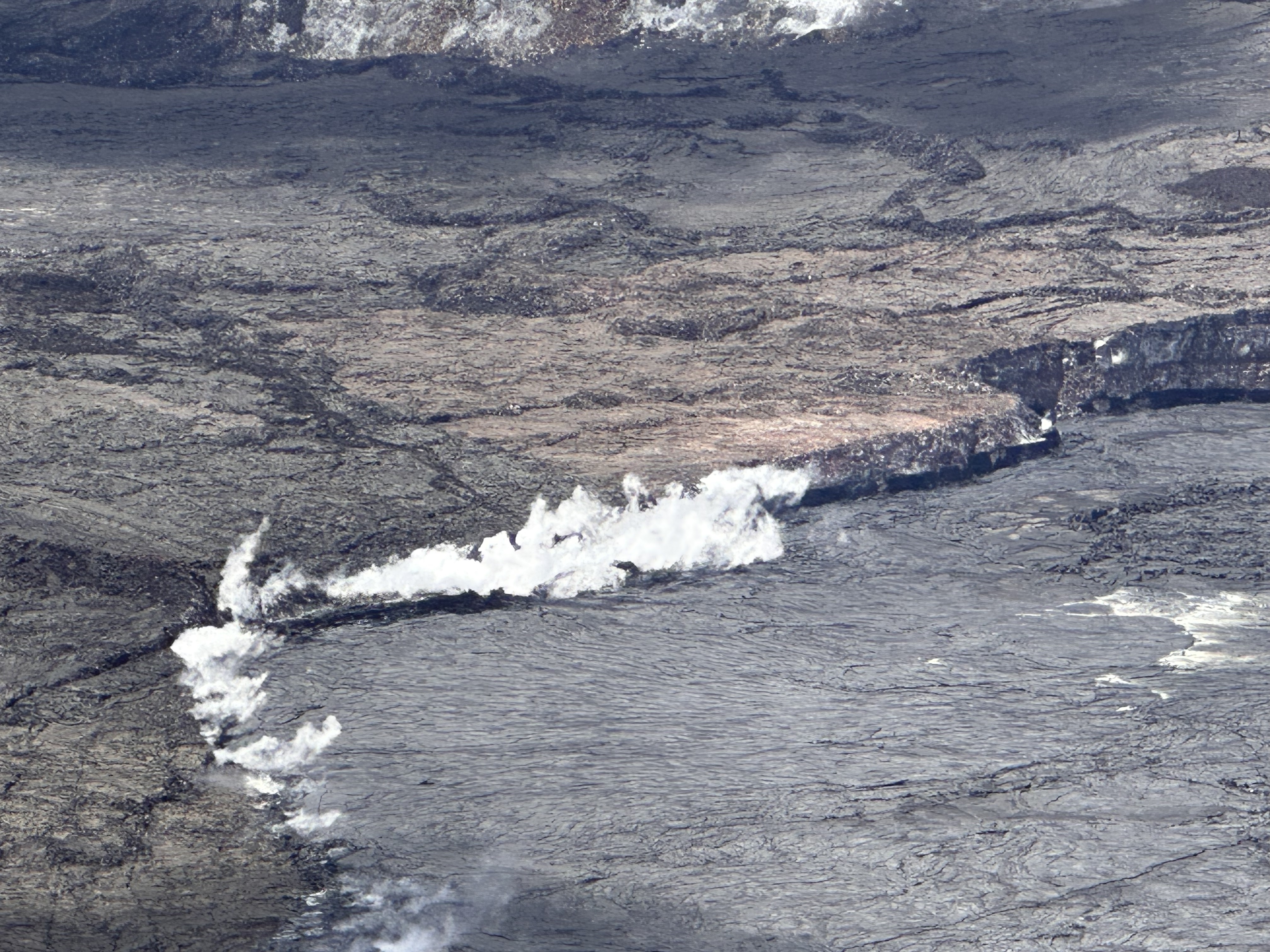



Hawaii Volcanoes National Park in One Day
We were staying in Kailua-Kona and opted for a one-day road trip to Hawaii Volcanoes National Park. It took us about two hours to drive to the park from there. The beauty of the island was astounding, but was also a reminder of the absolute devastation from the rivers of lava that destroyed over 600 homes in 2018.
We arrived at 9am and stayed until 4pm. This was plenty of time with the children. If you plan to do long hikes, you will want to stay longer. Below is what we were able to do in this time:
- Visitor Center and Jagger Museum
- Crater Rim Drive
- Kilauea Overlook
- Steam Vents Hike
- Thurston Lave Tube and Hike
- Halema’uma’u Crater
- Kilauea Iki Trail (lava lake views!) – we only did a short portion of this
Looking for more information or inspiration for your trip to Hawaii?
If you are planning to visit and are interested in our recommendations or how we fit Hawaii Volcanoes National Park into our Hawaii itinerary, check out this post:
Hawaii Family Vacation: Island of Hawaii & Kauai Itinerary
Recommended Books & Maps
This post contains affiliate links, which means I may earn a small commission if you make a purchase through my link, at no additional cost to you.
Lonely Planet National Parks of America


Hawaii Volcanoes National Park Map: Guide to Camping , Hiking and Exploring Hawaii Volcanoes


Lonely Planet Hawaii the Big Island 5 (Travel Guide)


Check out my Instagram for more insider tips on Hawaii!


 Traveling on an Empty Stomach