Survival Guide to Flying on a Plane with a Baby

Flying with a baby can be a daunting task, but with proper planning and preparation, it can also be a smooth and enjoyable experience for both you and your little one. Here are some key tips to help make your journey with an infant on a plane as comfortable as possible…but first, here’s a picture of me on my first solo flight with my son. I’ve learned quite a few things since then and have survived multiple trips on my own with an inconsolable baby!

1. Book the Right Seat
When booking your flight, consider reserving a seat in advance that has extra legroom or a bassinet attachment. This will provide more space for you and your baby, making the journey more comfortable.
Here are some airlines that offer bassinet attachments for traveling with infants:
- Singapore Airlines
- Emirates
- Cathay Pacific
- Qatar Airways
- Qantas Airways
- Japan Airlines
- Air New Zealand (I used the Air New Zealand bassinet; it was a life-saver on a very long flight!)
- Lufthansa
- British Airways
- Virgin Atlantic
Keep in mind that availability may vary depending on the aircraft and route, so it’s advisable to contact the airline directly or check their website for more information and to confirm the availability of bassinet attachments on your specific flight.
2. Pack Essential Items
Make sure to pack all the essential items for your baby’s comfort during the flight. These include diapers, wipes, extra clothes, blankets, and their favorite toys or pacifiers. It’s also advisable to carry a few extra supplies in case of unexpected delays or emergencies. (Keep reading for my favorite flying essentials for babies list)
3. Follow Security Guidelines
Familiarize yourself with the airport security guidelines. You may need to carry baby formula, breast milk, or baby food in your carry-on. Be prepared to go through additional screening procedures, which may involve testing these items.
TSA Guidelines for Carrying on Breast Milk or Baby Formula
If you are traveling with breast milk or baby formula, it’s important to familiarize yourself with the Transportation Security Administration (TSA) guidelines to ensure a smooth security screening process. Here are the key guidelines to follow:
- Quantity: There is no limit to the amount of breast milk or baby formula you can bring in your carry-on bags. However, it’s advisable to bring only what is necessary for the duration of your journey.
- Separation: When going through the security checkpoint, you must separate the breast milk or formula from the other liquids in your carry-on bag. Place them in a separate bin or bag.
- Inspection: The containers of breast milk or formula may be subjected to additional screening procedures. TSA officers may need to open the containers and conduct a physical inspection or test them for potential explosives. If you have concerns about the cleanliness or sterility of the area where the containers are opened, you can request that the officers change their gloves or use a new pair.
- Containers: Breast milk or formula can be carried in bottles or containers larger than the standard 3.4 ounces (100 milliliters) rule for liquids. However, be prepared for individual containers to be opened and tested.
- Ice Packs: Frozen gel or ice packs used to keep breast milk or formula cold are allowed in your carry-on. They are exempt from the usual rules for liquids, so you do not need to limit their size. However, they may be subjected to additional security screening.
- Notification: It is not necessary to inform the TSA officers in advance that you are carrying breast milk or formula. However, if you want to expedite the screening process, you can let the officer know as you approach the security checkpoint.
Remember, TSA guidelines are subject to change, so it is always a good idea to check the official TSA website or contact the airline directly before your flight to ensure you have the most up-to-date information. Safe travels with your little one!
4. Baby Carrier or Stroller
Consider using a baby carrier or sling to keep your hands-free during boarding and disembarking. Alternatively, you can bring a collapsible stroller that can be checked at the gate. This will allow you to have a convenient way to transport your baby around the airport.
5. Dress Comfortably
Dress your baby (and yourself) in comfortable clothing for the journey. Layers are a good idea, as cabin temperatures can vary. If you are nursing, don’t forget to wear a nursing bra or tank under your layers. Remember to pack a hat and a light blanket to keep your little one warm.
Help! My baby won’t stop crying!
For parents, there’s nothing more dreadful than flying with an infant who will not stop crying. I’m past this stage with my littles and realize that all the anxiety about the crying and fear of others complaining was mostly in my head. My last few flights, I easily tuned out the few crying infants. I felt deeply for the parents as I know that feeling and was ready to help if needed. Turns out, I truly believe that most people understand babies will cry on planes and aren’t as disturbed as parents think…now, I know there are exceptions and some people are less tolerant. I still hold on to the beautiful stories I’ve read of strangers (passengers and flight attendants) stepping in to help soothe babies on planes to give parents a break.
Handling a crying baby on an airplane can be challenging, but with a few simple strategies, you can make the experience more manageable for both you and your little one. Firstly, try to remain calm and reassure yourself that babies often cry during flights due to changes in air pressure or unfamiliar surroundings. Next, make sure your baby is fed, changed, and comfortable. Consider using soothing techniques like gentle rocking, singing, or playing white noise. Engage your baby with their favorite toys or distractions, and take short walks up and down the aisle if possible. Remember, fellow passengers understand and empathize with the situation, so don’t be afraid to ask for help or support if needed.
Ear Discomfort on Airplanes
Helping infants adjust their ears to the pressure changes during a flight is essential to their comfort and well-being. Here are a few tips to facilitate this adjustment. Firstly, consider breastfeeding or bottle-feeding your infant during takeoff and landing. The sucking motion can help equalize the pressure in their ears. If your baby is not feeding, you can encourage swallowing by offering a pacifier or a small bottle of water. Another effective technique is to gently massage your baby’s ears or encourage them to yawn or swallow by blowing softly on their face. Additionally, dressing your infant in cozy layers can help regulate body temperature and reduce discomfort. By implementing these strategies, you can help ensure a more pleasant flying experience for your little one.
Flight Packing List for Babies
Here’s a short list of essential items to pack in your bag for a baby on an airplane:
- Diapers and wipes: Make sure to pack enough diapers to last the duration of the flight, along with wipes for changing and cleaning.
- Extra clothes: Pack a few extra sets of clothes in case of spills or accidents. It’s always good to be prepared for any unexpected messes. I swear that the cabin pressure increases blowouts…or maybe it’s just my kids!
- Blankets: Bring a cozy blanket to keep your baby warm and comfortable during the flight. Airplanes can sometimes be chilly, so having a blanket handy is essential.
- Baby food and snacks: If your baby is eating solids, pack some baby food jars or pouches, as well as some age-appropriate snacks. This will ensure that you have food options available during the flight.
- Bottles and formula: If your baby is feeding from bottles, pack enough formula and a few extra bottles for the journey. You may also want to bring some ready-to-feed formula in case of any unforeseen circumstances. If you are still breastfeeding your baby or toddler…keep reading for more tips.
- Pacifiers or teething toys: Having pacifiers or teething toys can be soothing for your baby during takeoff and landing, as it helps with ear pressure changes.
- Baby wipes and hand sanitizer: Keep some wipes and hand sanitizer handy for quick clean-ups and maintaining hygiene during the flight.
- Baby carrier or sling: Consider bringing a baby carrier or sling for hands-free convenience, especially during boarding and disembarking.
Remember to pack all essential medicines or any other specific items your baby may need, depending on their unique needs.
Tips for Breastfeeding on a Plane
Breastfeeding your baby while on a plane is an advantageous experience. The pros here…you don’t need to pack all the bottles and formula, so you’ve saved yourself some extra space in your backpack for snacks and drinks just FOR YOU 🙂 Here are some helpful tips to make the process smoother:

- Plan Ahead: Consider the duration of the flight and your baby’s feeding schedule. Try to time your feedings so that your baby is hungry during takeoff or landing, as swallowing can help relieve ear pressure.
- Choose the Right Seat: If possible, select a seat that provides some privacy. You might not mind nursing in public but as babies age, they can easily be distracted by their neighbors, or anything really! Window seats can offer a degree of seclusion and a comforting view, while an aisle seat allows for easier movement if needed.
- Dress Comfortably: Wear loose-fitting clothing that allows for easy access to your breasts. Choose a nursing bra or a top with nursing openings to ensure convenience.
- Pack Essentials: Bring all the necessary breastfeeding supplies, such as extra nursing pads, burp cloths, and a nursing cover if desired. Having these items readily available will make the experience more comfortable for you and your baby.
- Stay Hydrated: Remember to drink PLENTY OF WATER (think extra than normal) throughout the flight to maintain your own hydration levels. This is important for milk production and to keep you feeling refreshed.
- Find a Comfortable Position: Experiment with different breastfeeding positions to find the one that works best for you and your baby. This may include the cradle hold, cross-cradle hold, or side-lying position. Choose a position that allows for a secure latch and is comfortable for both of you.
- Use a Nursing Cover (if desired): If you prefer added privacy, bring a nursing cover or a lightweight scarf. These can help create a more secluded environment for breastfeeding while on the plane.
- Take Advantage of Blankets and Pillows: You can utilize the airline-provided blankets and pillows for added comfort and support while breastfeeding. These items can help you find a comfortable position and provide some cushioning. Or if you are headed to a beach location…that beach blanket can perform double duty here!
- Inform the Flight Attendants: If you feel more comfortable informing the flight attendants about your breastfeeding plans, let them know. They can offer assistance or accommodate any specific needs you may have during the flight.
- Relax and Enjoy: Remember to take deep breaths, remain calm, and enjoy this special bonding time with your baby. Relax and enjoy the time with your baby or toddler – this will help the milk flow too!
My Favorite Baby Essentials for Flying
Please note: I only recommend products I’ve used and loved. This post may contain affiliate links, which means that if you make a purchase through these links, I may earn a small commission at no extra cost to you. Thank you for supporting my work!

- Ultra-Lightweight Stroller: You’ll want a stroller that you can pick up with one hand and close easily. Multi-positions and storage underneath is essential for travel too. I love the Summer Infant, 3D Mini Convenience Stroller since it has all of the above and is affordable too, especially if you have already invested in a heftier stroller for home.


- Baby Carrier: Even if you aren’t used to baby wearing, having a carrier for travel will make everything much easier – having free hands helps you navigate airports and makes pacing the aisles of airplanes much easier! The Ergobaby Omni 360 All-Position Baby Carrier supports babies and toddlers in all stages and allows you to baby wear in nearly any position. For the breastfeeding mamas, you can easily nurse in this carrier discreetly. It just takes some practice!


- Super Lightweight Baby Carrier: If you need a baby carrier and plan on packing it in your carry-on, you’ll want the Boba Air Ultra-Lightweight Baby Carrier and Toddler Backpack. We bought the Boba Air before a trip to Saint Thomas so we could hike and without getting too sweaty. This eventually became our go-to carrier on hot days when we lived in NYC. It folds up into it’s own bag and can be stuffed into a backpack. Keep in mind, this didn’t work for us until our baby could hold his head up and his hips could handle being spread around our waist for longer periods of time (for us, this was about 4.5 months).


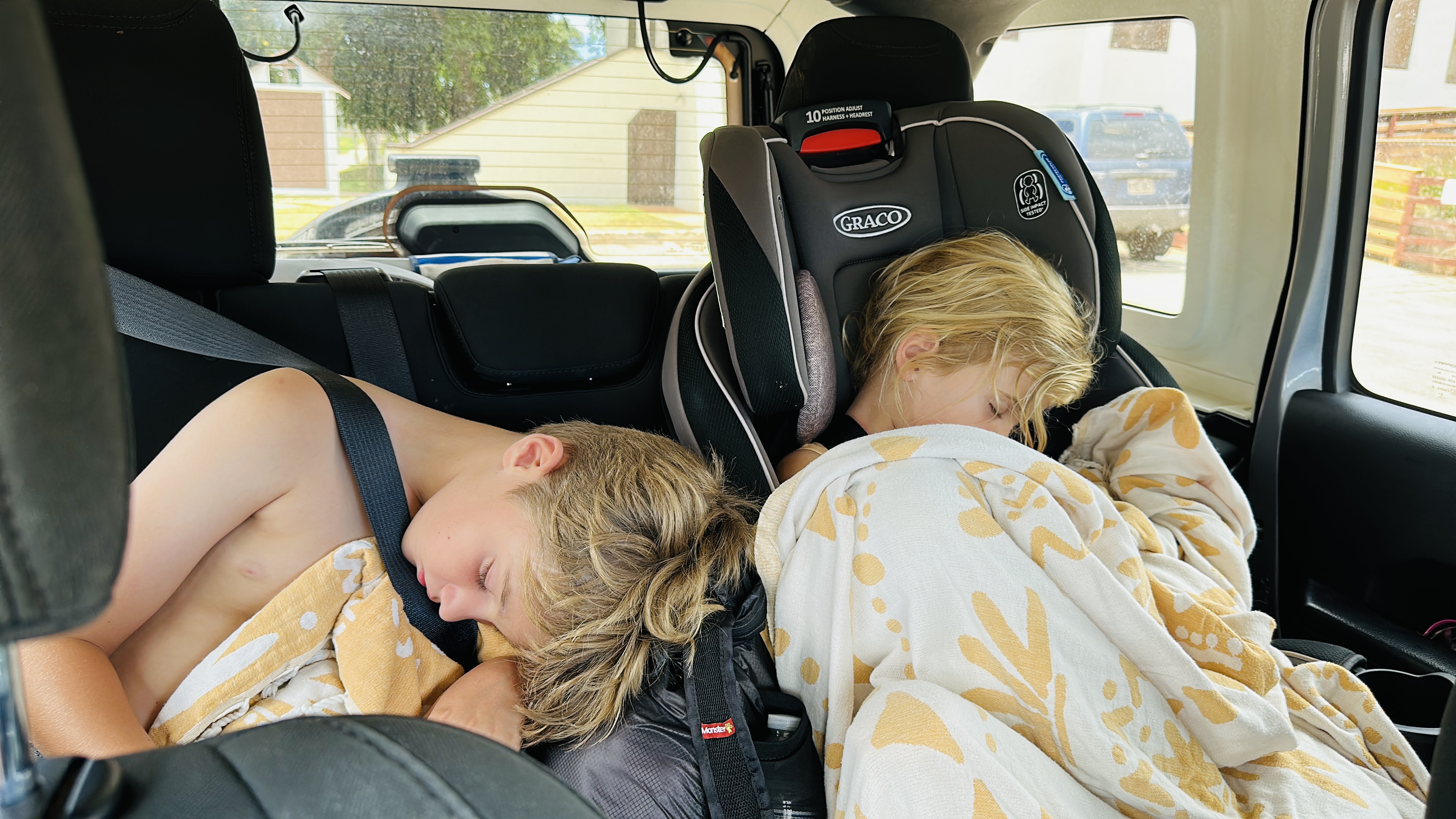
- Blanket: I have to confess, I didn’t own this blanket until a few years ago but it is my absolute favorite for it’s multiple functions (and it’s beautiful). The Sand Cloud towel works as a blanket (large enough to cover you and baby on the flight), a beach towel (it repels sand…bonus), a beach blanket for the family, a picnic blanket, and is currently part of my pool lounger decor. If you have multiple kids, it will also cover everyone in the backseat of a car when traveling (we recently traveled to Hawaii and this went everywhere with us). I should also mention it is super soft, reversible, and despite it being large, it is thin and easily fits in a backpack with room to spare!


Below are a few ways we have used the Sand Cloud towel as a blanket/towel in the last few months…


- Nursing Tank top with Built in Bra: I loved this one when I was breastfeeding my littles. I loved how it was long but not constricting and was easy to unfastening with one hand. This nursing tank top also allows you to criss cross the straps in the back.


- Nursing T-Shirt: This nursing T-shirt was great when we were out and about and I wanted a little more coverage. I tried several nursing blankets but never felt comfortable covering my babies heads while they nursed and privacy wasn’t important to me. I was in the mindset of ‘normalizing breastfeeding’ and let others move if they were uncomfortable. This nursing T-shirt was a great middle ground for me with privacy and comfort for me and my babies.


- Busy Board: I like to travel with as little as possible. Having a busy board for the plane was a must after my kids were a few months old. The one I used was similar to this one…the one we had is no longer available. Bonus…this keeps toddlers entertained too! Another tip here, I like to only use these type of items on flights and at restaurants. I hide them when were are at home and that makes them more interesting again when they come back out!


- Carseat Travel Bag: I’ve since ditched the blue bag seen in my photo above. It was not sturdy enough and I wanted something I could roll so I could use our carrier in the front, wear a backpack, and roll the carseat and suitcase. This is a LOT but if you are traveling alone or with multiple kids you’ll want to be able to do everything with ease! I’ve learned so much after each trip.


Check out other related posts below:
My Top 5 Travel Accessories for Parents (Packing List)

 Traveling on an Empty Stomach
Leave a comment